





How Drip Casino Login Changes The First Visit
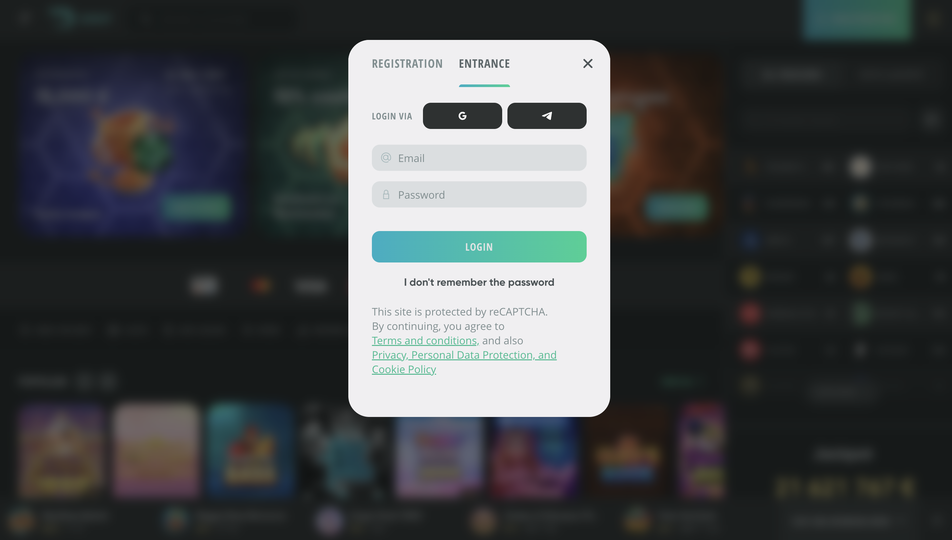
The first account visit tells you more than any promotional banner can. A player opens the platform, lands in the member area, and within seconds starts judging the rhythm of the whole product. Is the account route direct? Can the main sections be reached without hunting through layers? Does the screen feel built for real hands and real time, or only for screenshots?
That matters in Canada because many people use gaming platforms in short, ordinary windows. Late after work. During a slow lunch. While sitting on the couch with a phone in one hand and something else demanding attention in the other. In those moments, the account path has to feel calm. Not grand. Calm.
A short session exposes design fast. Someone logs in to check the balance, review a recent transaction, and maybe browse one section before leaving again. When the route is ordered, that visit stays light. When the route is messy, the whole platform feels heavier than it should.
Why Drip Casino Login Feels Different On A Phone
Phone access sharpens every design decision. Bigger screens forgive clutter for a while. Smaller screens do not. A crowded header, vague icons, or buried support links become obvious almost immediately when the player is standing in a queue or checking the account with only a minute to spare.
Say a player opens the platform while waiting for coffee. That person does not want a dramatic tour of the interface. The need is simple - get into the account, understand the next step, and move on without guessing. Good mobile flow respects that pace.
What A Returning User Notices First
Returning players stop looking at surface polish very quickly. They already know the colors, the banners, the general style. What they notice instead is whether the daily route still makes sense. Can they review activity without getting distracted? Is the payment section still close at hand? Does the support path remain visible when a real question appears?
Late on a Tuesday evening, a repeat user may only want to reopen the profile, check what changed, and leave. That tiny routine becomes the real review. Not the welcome screen. Not the loudest graphic. The routine.
What Drip Casino Sign Up Should Feel Like On Mobile
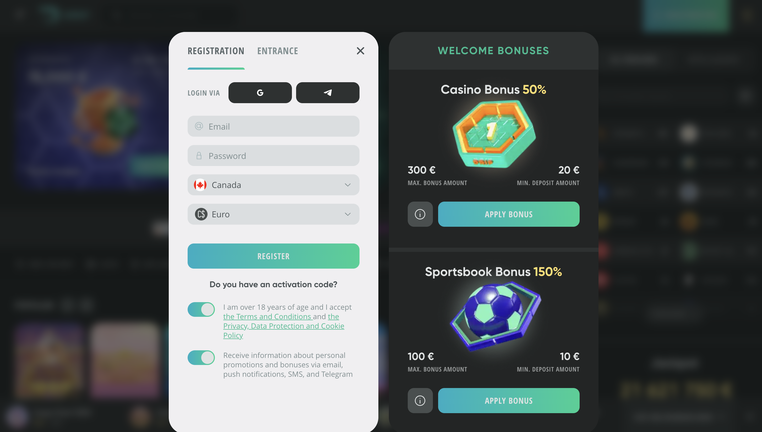
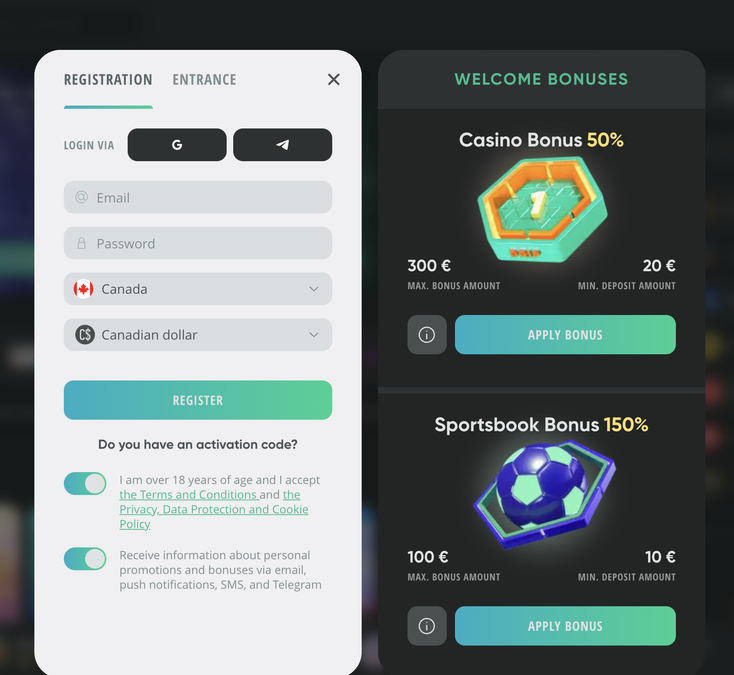
Account creation on mobile should feel measured. A player should understand where the process begins, what information belongs in the first screen, when verification details may matter, and how to step back if something needs to be checked again. The best sign-up flow does not perform. It explains itself through order.
There is also a psychological side to this. Early account steps shape trust before deposits, games, or promotions ever enter the picture. If the opening flow feels rushed, inconsistent, or vague, people start carrying that tension through the rest of the visit. A smoother setup does the opposite. It lowers friction before friction starts multiplying.
A new user in Canada may begin the process on a phone during a quiet evening and finish it later from the same device. That means the opening path has to hold together under interruption. If the player pauses, comes back, and still understands the route, the platform has done something right.
Where Drip Casino Sign Up Can Slow Down
Most slowdowns happen in ordinary places. A field label is too broad. A confirmation step appears later than expected. The page moves the player forward before the player feels ready. None of these problems look dramatic alone, though together they make the setup feel less trustworthy.
That is why the early account area deserves more attention than people give it. A clean sign-up path is not only about speed. It is about making each step feel earned and understandable.
Navigation, Lobby Flow, And Session Control
A casino platform is not judged only by what it offers. It is judged by how cleanly a player can move from one area to another without losing the reason for opening the site in the first place. The lobby, the profile section, the cashier, and the help path all need to feel connected, not stitched together from separate design moods.
On mobile, this becomes even more obvious. One awkward transition can break the whole rhythm. A player enters through the account area, taps toward a category, gets pushed into a crowded section, and suddenly the session has no clear shape. That is not a content problem. It is a structure problem.
The better approach is boring in the best way. Clear labels. Predictable tabs. A search tool that narrows choices instead of creating more. A route back to the account area that never feels hidden. When those pieces hold, the session feels stable even if it stays short.
A player checking in after dinner may want one familiar game category, one look at recent account details, and then a quick exit. If the platform supports that pattern, it feels mature. If it resists that pattern, the player ends up wrestling with layout instead of making decisions.
Area | What The Player Needs To See | Why It Helps |
|---|---|---|
Account summary | Balance and recent activity | Creates context before any next step |
Lobby search | Clear categories and search refinement | Keeps short sessions focused |
Cashier route | Readable method list and review stage | Reduces rushed payment choices |
Support path | Help access near core account sections | Lowers stress when questions appear |
Control tools | Session reminders and limit settings | Supports steadier adult play |
Cashier Logic, Payment Steps, And Withdrawal Expectations
The money section reveals whether the platform respects practical use. A well-built cashier does not need dramatic language. It needs visible methods, readable fields, a sensible review screen, and an easy path back if the player wants to reconsider before confirming anything.
That matters because financial steps already carry enough weight on their own. The interface should reduce uncertainty, not add new layers of it. A player who opens the cashier after a long day wants to know what comes first, what the amount screen means, and where the final review sits. Anything less direct starts to chip away at trust.
The same principle applies when money moves out rather than in. Withdrawal expectations should be read with patience because timing can depend on account checks, the selected method, and internal review flow. There is no need to invent fixed promises here. What matters more is whether the process feels transparent enough for an adult player to follow without confusion.
A practical rhythm helps. Review recent account activity first. Open the cashier second. Choose the method. Enter the amount. Re-read the summary. Confirm only after the sequence feels clear. That order sounds simple because it is simple. And simple routines often prevent the most avoidable mistakes.
Someone returning to the platform on a Friday night may feel tempted to rush straight into the money section. But the better route is slower by one minute and smarter by a mile. Context first. Action second.
Why Small Cashier Details Affect Trust
Trust often rises or falls on details people barely remember later. A clear label. A visible confirmation stage. A readable amount field. An obvious route back. These are not glamorous features, though they quietly tell the player whether the platform has been built for real use or only for display.
Think of a user checking the cashier on a phone while the television is on in the background. Attention is already split. The cleaner the cashier feels in that distracted moment, the more dependable the platform starts to seem.
How Players Keep Payment Decisions More Ordered
The easiest method is to follow the same sequence every time. Review the account, inspect recent activity, open the money section, choose the method, then confirm only after reading the summary screen again. Repetition creates control.
That routine matters because payment choices become worse when they are made in a hurry. A player who keeps the same order often spends less time correcting small mistakes later.
When It Makes Sense To Pause Instead Of Continue
At times the smartest payment decision is no decision at all. A player opens the cashier, checks the screen, and notices the session already feels less clear than it did ten minutes earlier. That is often the best moment to pause, close the phone, and come back later with better focus.
A good platform should support that choice through visible control tools and a calm account structure. It should not make the player feel trapped inside the money route once it has been opened.
Support, Safety Tools, And Account Boundaries
Support changes the tone of a platform even when nobody contacts it. Visible help tells the player that problems are expected and solvable, not treated like an inconvenience. On mobile, that visibility matters even more because screen space is limited and every buried help path feels like an intentional choice.
Safety tools deserve the same closeness. Session reminders, account limits, and time-out routes should sit near the areas where real decisions happen. Near the profile. Near the cashier. Near the points where a player may realize the visit is turning less deliberate and more automatic.
For adult users in Canada, those tools are part of normal account design, not decorative extras. The strongest platforms make them easy to find before tension rises. That timing matters. Once a session feels noisy, even good tools become harder to use simply because the player is already less settled.
A player may reopen the account late at night with no dramatic plan at all. Just a short visit. Then the session stretches, the focus slips, and a reminder or visible pause path suddenly becomes valuable. Good design supports that moment instead of pretending it never happens.
Another point gets missed a lot: support and boundaries are connected. When the help route is clear and the control route is clear, the whole account feels more adult. More managed. Less impulsive.
Why Help Access Matters Before Problems Start
Help is most useful when the player knows where it lives before anything goes wrong. That familiarity lowers tension. It makes later questions feel easier to handle because the route has already been mapped in the user’s head.
A player checking details after midnight may never open support at all. Still, seeing the path can make the rest of the account feel more grounded.
What Makes Control Tools Feel Real Instead Of Decorative
They feel real when they are close, readable, and framed as normal parts of account use. A buried reminder tool or a hidden limit section looks like a checkbox. A visible one looks like a practical option for adults who want better structure.
That difference matters more than any slogan around responsibility. Placement says more than wording.
Who This Platform Style May Suit Best
This kind of platform tends to suit players who value structure over spectacle. Not minimalism at any cost. Just structure. They want the account area to make sense, the cashier to feel readable, the support path to stay close, and the game route to remain understandable on a phone.
That includes people who use mobile sessions in bursts rather than marathons. They may log in during a commute, revisit later after dinner, then check the account once more before bed. For them, the quality of the product is measured through repeated short visits, not one long perfect session.
A player who prefers extreme simplicity may still enjoy the experience, though a broader account layout can feel slightly more layered than necessary. Another player may prefer exactly that layering because it keeps more tools visible at once. Neither reaction is strange. It is a matter of fit.
The better question is whether the platform knows what kind of mobile experience it wants to provide. If the answer is a steady, adult-focused route that supports account access, payment review, short browsing, and visible control tools, then the product needs to prove that through everyday use. Not slogans. Not promises. Use.
A quiet evening test says more than a loud headline ever will. Open the account. Review recent activity. Visit the cashier. Browse one section. Locate support. If each step feels natural, the mobile experience is doing real work.