





Drip Casino Free Spins In A Planned Session
A reward looks useful only when it fits the visit you already meant to have. The common mistake is simple: a player sees a spinning-wheel style offer, thinks about value first, and only later thinks about time, budget, and exit rules. That order feels natural in the moment, but it puts the platform in charge of the evening before the evening has really begun.
If you open the offer page with a fixed amount and a short session in mind, the whole experience usually feels calmer. You are comparing the reward against your own plan, not replacing the plan with whatever the banner is suggesting. That difference sounds small, yet it changes how long you stay, how much you spend, and which section of the lobby you treat as relevant.
Many adults in Canada do better when they treat these perks as optional tools rather than invitations. A few extra rounds can be interesting, but they should not decide the budget for you. The smarter habit is to ask three questions at the start: what does the offer change, how long will it keep me here, and what happens if I simply skip it?
A short scenario makes the point clearly. One player enters the site wanting a quick check-in and a modest session. Another enters with no fixed idea and lets the offer page set the direction. By the end of the night, the second player often feels more scattered, not because the reward was terrible, but because there was never a real plan behind it.
This is why adult play should feel deliberate from the first click. The session should begin with decisions you make in advance, not decisions you make while the reward is already nudging you forward.
How Drip Casino Bonus Fits A Fixed Budget
A bonus should support a budget, not create a bigger one. That sounds obvious, yet it is exactly where many routine mistakes begin. The player arrives intending to use one amount, sees a larger tier or a better-looking package, and starts telling themselves that a little more is reasonable. Often that "little more" is not about value at all. It is about momentum.
A common situation looks like this: you planned a short evening, one deposit, and one game category. Then the offer seems to reward a slightly larger amount or a slightly longer stay. Nothing dramatic happens. The plan just starts stretching. That is the warning sign.
The best response is slower, not faster. Compare the reward to the original budget. Check whether it changes the game type, the session length, or the way you intend to leave. If it does, the platform is no longer following your structure. Your structure is following the platform.
Adults who keep the amount fixed before they open the cashier usually find the visit easier to read. They are not arguing with themselves while numbers are already on the screen. They already know what belongs to the session and what does not.
Registration, Verification, And Account Clarity
Registration should be the quietest part of the experience. No surprises, no missing details, no old phone numbers waiting to cause trouble later. When the account setup is clean, the rest of the platform tends to feel calmer because fewer small issues appear at the exact moment you want to focus on play.
Say you create the account on a phone while replying to messages at the same time. Autofill adds an older email, a nickname slips into the name field, or an outdated address sits there unnoticed. None of those details looks serious in the first five minutes. Later, however, they can make the whole account feel harder to manage than it needs to be.
The stronger routine is plain. Use your current details. Read the completed profile once before you move toward payments. Make sure the contact information matches the person who is actually using the account now, not the version of you that signed up for other services years ago.
Verification prompts should also be treated like part of adult account management, not as a reason to panic. If the platform asks for a check, read the request carefully, identify what it wants, and answer only that request with clear information. Stress usually makes the process feel bigger than it is.
Another practical point matters here. If you can already find the profile page, the history section, and the help area before money moves, the platform is telling you that it respects clarity. If those areas are hard to locate in the first place, that is useful information too.
What To Review Before The First Deposit
Before any payment step, look at the basics line by line: full name, date of birth, email, phone number, and address. Then ask one blunt question - if the site sends a confirmation tonight, can I answer it without hunting through old devices or forgotten inboxes? That simple check saves more trouble than most players expect.
For example, one adult player reviews the profile first and notices an outdated phone number before making a deposit. Another ignores the profile, reaches the cashier immediately, and only notices the problem after a code or message goes to the wrong place. The platform has not changed. The order of actions has.
That is why the first few minutes should be treated as setup, not as a waiting room before the "real" session. The real session starts there.
Payment Setup Before Any Claim
Payment decisions work better when they are made in a quiet state, before a reward or a game prompt begins influencing the amount. Choose the method you understand best, not the one that only looks quickest. You should know what the confirmation step looks like, what record stays behind, and what support will probably ask if something needs to be checked later.
If you are comparing two methods and one still feels vague in your mind, that is already an answer. A common pattern is that adults feel pulled toward whatever seems fastest, then realize later that the familiar route would have created a much clearer trail. When money is involved, clarity beats novelty almost every time.

Reading Drip Casino Promo Codes Before Deposits
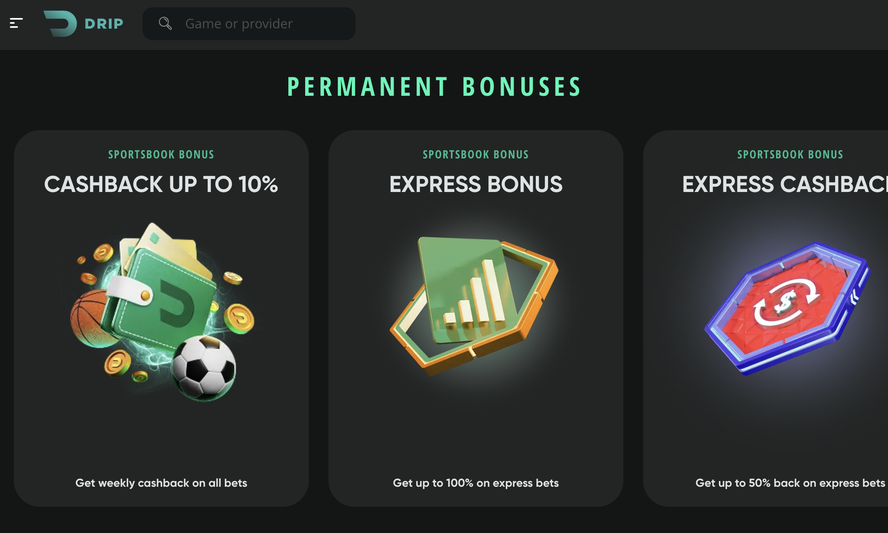
The entry field for an offer matters least when it first appears and most after you understand what sits behind it. Many players see a code box and act as if typing something into it is a harmless first step. In practice, that moment can shape the entire visit because it changes what the player expects from the cashier, the lobby, and the session length.
If you read the promotional terms before the cashier opens, you stay in control of the pace. If you open the cashier first and then try to understand the rules while amounts are already on the screen, the session becomes louder and more confusing. Half of your attention goes to the number. The other half goes to the offer. That split often creates false confidence.
The better sequence is simple. Decide the budget. Decide how long the visit is meant to last. Decide whether you are even using a reward at all. Only then does the entry field become relevant. This slows the evening down in a good way. It keeps the visit tied to your own plan instead of to the pressure of the next visible step.
Another detail matters here as well. A code may look like a small technical step, but emotionally it can feel like commitment. Once the player enters it, there is often an urge to "make it count." That urge can push the session further than originally intended.
Why Drip Casino Promo Can Stretch The Visit
A promotion does not need to look extreme to change the evening. It can do it quietly. One extra deposit tier, one condition tied to a certain section, one sense that leaving too early would waste the opportunity - that is enough. The original plan does not disappear all at once. It just starts moving.
If you planned one short session and then begin extending the visit so the reward feels worthwhile, the platform has started writing the schedule for you. Many players notice this only after the mood changes. The smarter move is to spot it while the change is still small.
In practice, a promotional page should be read like a set of instructions, not like a promise. Ask what it adds, what it restricts, and what it changes about your exit point. That keeps the offer in its proper place - below the plan, not above it.
Payments, Limits, And Exit Rules
The cashier is where discipline becomes visible. Before money enters the account, three answers should already exist: how much belongs to the session, which method feels understandable, and what sign means it is time to stop instead of add more. When those answers are missing, the payment area becomes a place where the site negotiates against you.
One player reaches the cashier with a fixed number already decided. Another reaches it with only a vague idea and lets the layout, the reward, or the mood shape the amount. The difference between those two players is not willpower alone. It is preparation.
Adults usually do better when entertainment money stays separate from everyday money. Rent, groceries, travel, and savings should not drift into the same mental category as leisure spending. Even if the separation exists only in your own planning, it matters. It keeps the visit readable.
Area To Review | What It Helps You See | Practical Action |
|---|---|---|
Profile Page | Whether account details are current and complete | Correct mismatches before any payment |
Budget Controls | Daily, weekly, or session-based limits | Set them before play begins |
Offer Terms | How a reward changes the original plan | Skip anything that stretches the visit |
Payment Menu | Which route feels clear and familiar | Choose the method you understand best |
History Section | How money in and money out are recorded | Review it after each session |
This checklist does not promise any exact timing or result. It is simply a way to make the visit easier to understand. When these five areas are clear, the rest of the session usually becomes easier to manage as well.
Using Drip Casino Bonus Codes Without Losing Control
A reward entry should never be the reason you change your amount, your pace, or your stopping rule. The code is a tool. It is not the center of the evening. Many adults lose control not because the offer is huge, but because they start treating the entry itself like a commitment to stay longer.
If you notice yourself thinking, "I should keep going so the reward feels worth it," that is the exact moment to pause. A small signal matters here: the platform is no longer supporting your plan. Your plan is now supporting the platform.
The safer habit is to keep the same rules whether a reward exists or not. Same budget. Same time window. Same exit logic. That consistency is what protects the player when the session gets louder.
How Repeated Top-Ups Change The Mood
Small repeated deposits often feel safer than one clearly planned amount, but in practice they create more confusion. Each extra step looks harmless on its own. The total tells a different story later. This is why many adults feel surprised by the final number even when every individual top-up seemed minor.
A common situation is easy to recognize. The first amount disappears faster than expected, the player feels the visit is not "finished," and another small payment appears reasonable. Then another. At that point the problem is not the size of one deposit. It is the shift in attitude. The session has stopped following a boundary and started following momentum.
Support, Mobile Use, And Safer Breaks
Support matters long before a problem appears. The help area shows how the platform thinks about clarity. Can you find contact options quickly? Do prompts sound like instructions or like filler? Does the site move the player from confusion to action without unnecessary searching? Those details shape trust more than any slogan.
Mobile use changes the rhythm of the visit too. A desktop session usually has a clearer beginning. A phone can turn every spare minute into a possible login. That convenience can be helpful, but it also removes friction. When the pause between impulse and action becomes too small, the platform becomes easier to enter than to reflect on.
If you check the account while waiting for transport and drift into play because the site is already open, that is not a small detail. It is a change in how the session begins. Adults who want to keep the process deliberate usually add some friction back in - a timer, a fixed rule, or a decision that balance checks do not automatically become play sessions.
Break tools matter for the same reason. They are not dramatic. They are practical. If the visit is getting longer, more frequent, or harder to end, a timeout or a short break is not overreacting. It is maintenance.
What A Good Support Message Looks Like
The best support message reads like a short report. State what happened, where it happened, and when it happened. Add what you already tried. That is usually enough to give support a real starting point. If the first message contains only frustration, the reply often has to begin with basic questions that could have been answered immediately.
Common Mistakes Adult Players Can Avoid
Most avoidable mistakes are routine mistakes, not dramatic ones. Players skip the account check, let the budget stay flexible, read the offer too quickly, jump between categories, and decide when to leave only after the mood has already changed. None of those choices looks huge on its own. Together they stretch the visit.
The good news is that the same small scale works in your favor. A one-minute profile review can prevent a support message later. A fixed amount can stop repeated top-ups. A timer can protect an hour. A pause before using a reward can keep the entire session in perspective.
If the evening starts feeling rushed, reduce complexity immediately. One budget. One category. One time window. One clear reason for being there. Adult play works best when the visit stays narrow enough to read from start to finish.